August 6, 2024
Real wood, composite, poly, vinyl: which shutter material is best?
By Dave Harris — Co-founder, Golden West Shutters
Choosing the right window treatment is crucial for enhancing both the beauty and functionality of your home. Shutters are a timeless choice, offering aesthetic appeal along with practical benefits. With a variety of materials to choose from — real wood, composite, poly, and vinyl — it's worth understanding the differences before making a decision.
At Golden West Shutters, we offer all four materials, each tailored to meet different needs. Here's a breakdown of the characteristics of each.
Real wood shutters
Elegance and durability
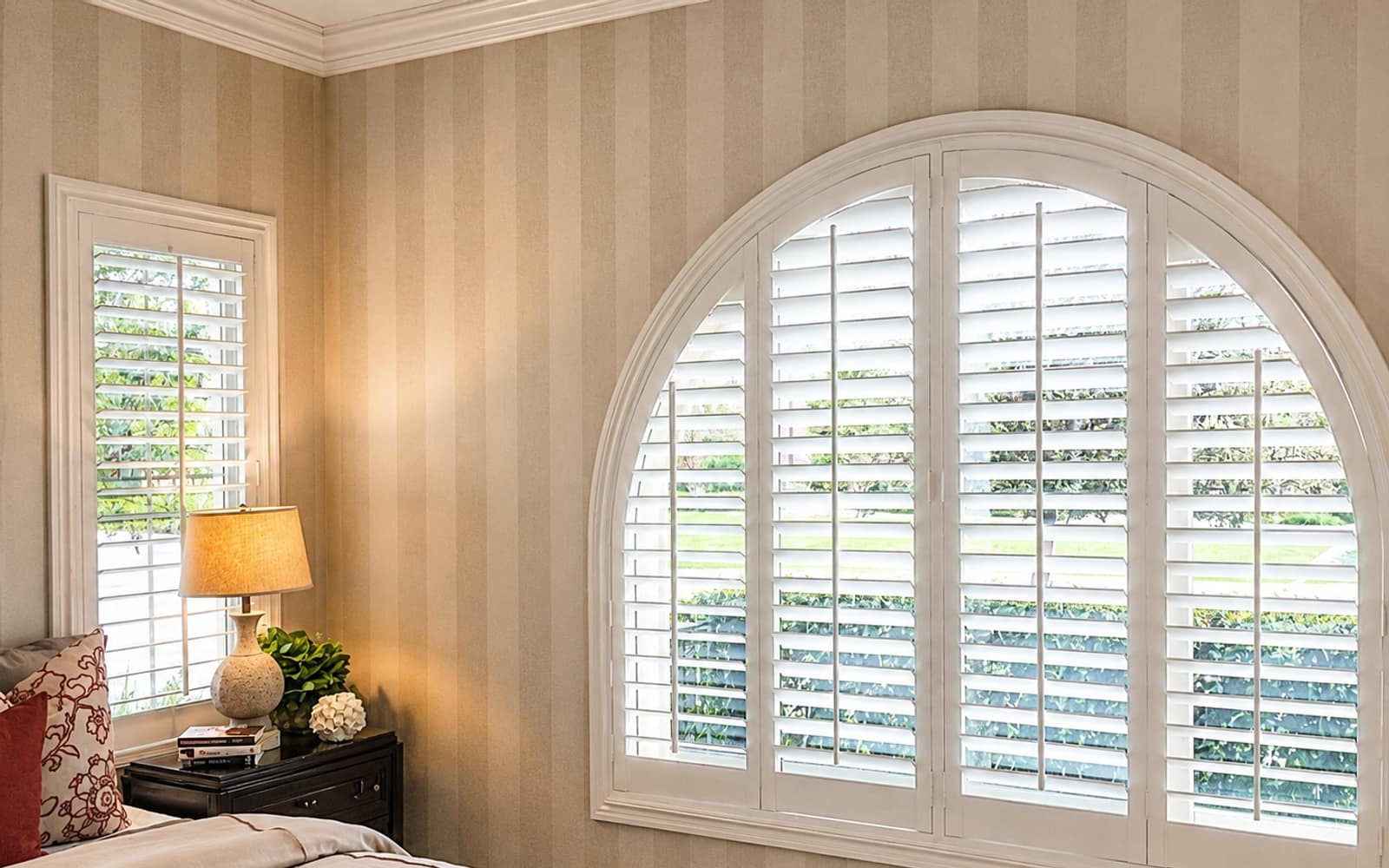
Real wood shutters are the classic choice. Crafted from natural hardwoods, they add warmth, character, and a quality feel that synthetic materials cannot replicate. They can be stained or painted in virtually any color, allowing for full customization to match interior décor. They are also ideal for arched windows and other specialty shapes.
Advantages
- Timeless appeal: wood shutters are versatile and timeless, enhancing both traditional and modern spaces. Excellent for the living room and family room.
- Durability: with proper care, wood shutters can last for decades.
- Customization: the ability to paint or stain them offers wide design possibilities.
Considerations
- Cost: real wood shutters are generally more expensive than other materials.
- Maintenance: they require protection from moisture and regular upkeep to maintain their appearance.
Composite shutters
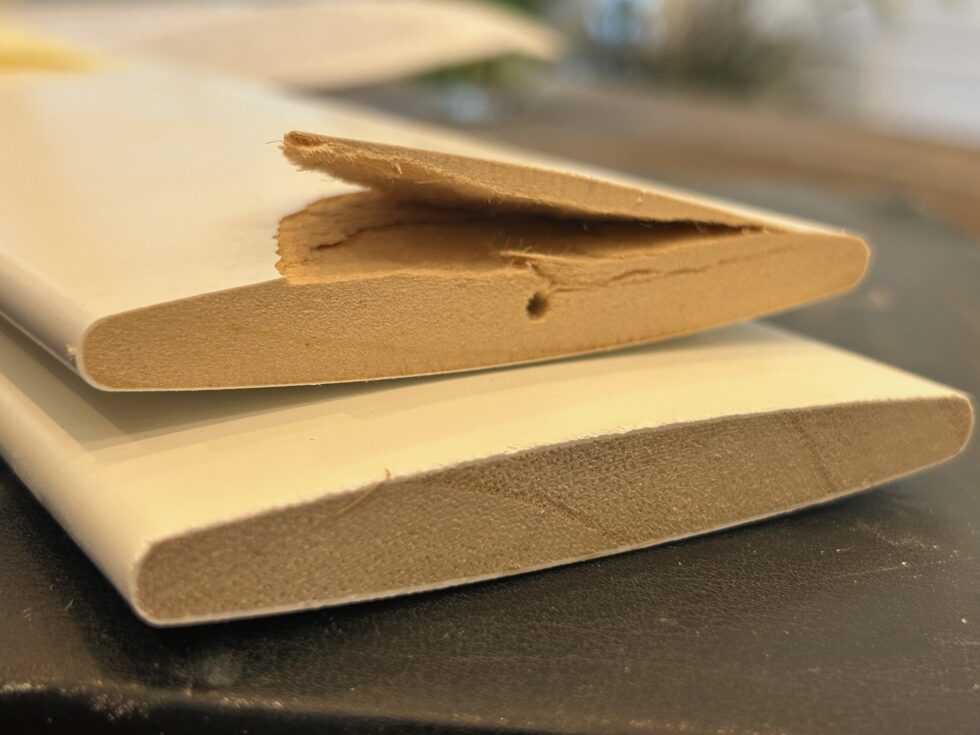
Composite shutters, also known as engineered wood or faux wood shutters, offer a balance between the aesthetic appeal of real wood and the resilience of synthetic materials. They are constructed from a combination of wood particles and polymers, mimicking the look of solid wood while offering more moisture resistance.
Advantages
- Cost-effective: composite shutters are generally less expensive than real wood while still offering a similar aesthetic.
- Low maintenance: easy to clean and maintain.
Disadvantages
- Limited customization: while they mimic the look of wood, the range of stains and finishes is more limited than real wood. They can also be heavier than wood, making them more prone to sagging on larger panels over time. The finish, while close, is not as refined as natural wood.
Poly shutters
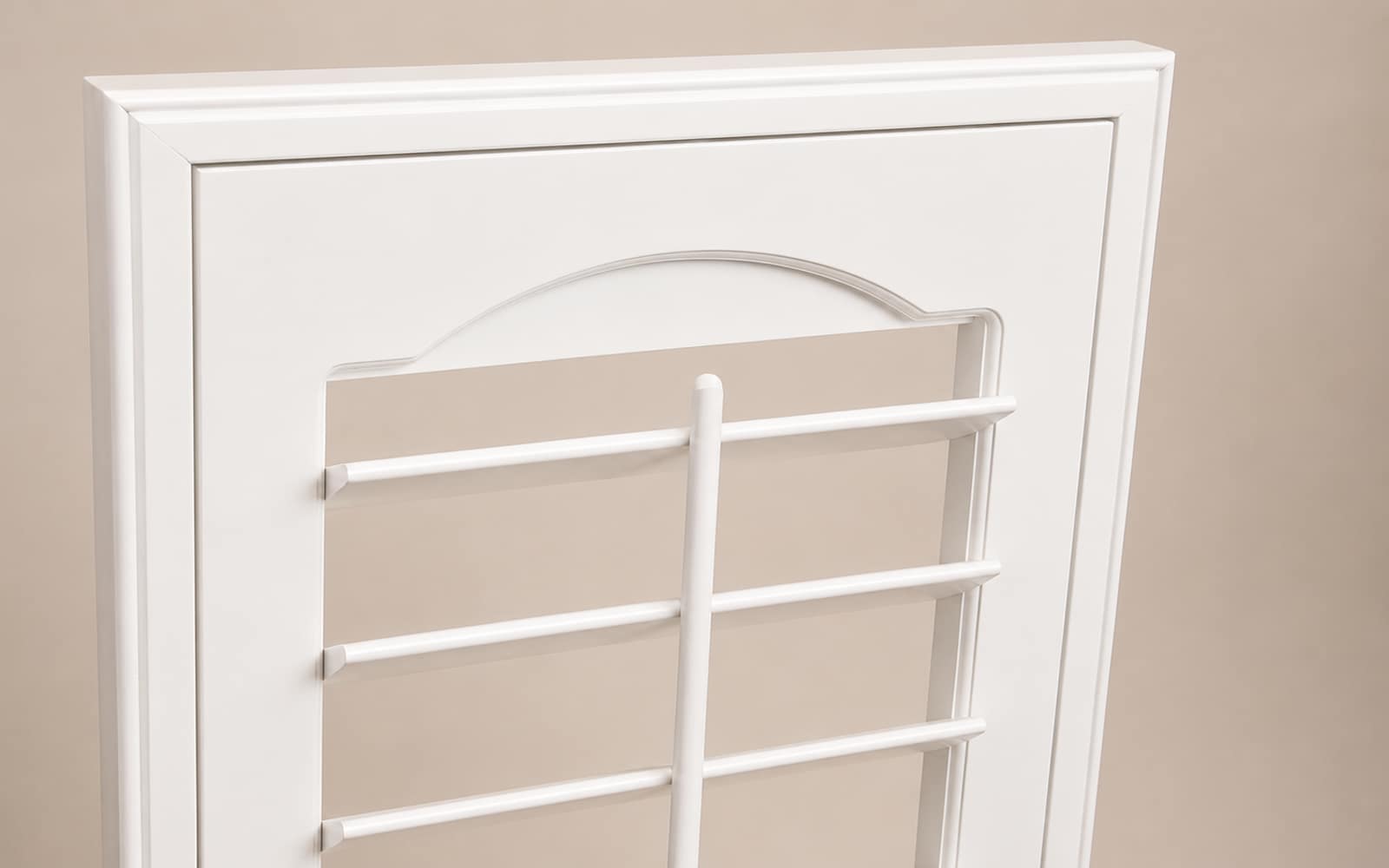
Poly shutters, often referred to as polyvinyl chloride (PVC) shutters, are an excellent choice for homeowners seeking water resistance without sacrificing style. They are made from a solid synthetic material that is water-resistant — not painted — and heavier than vinyl.
Advantages
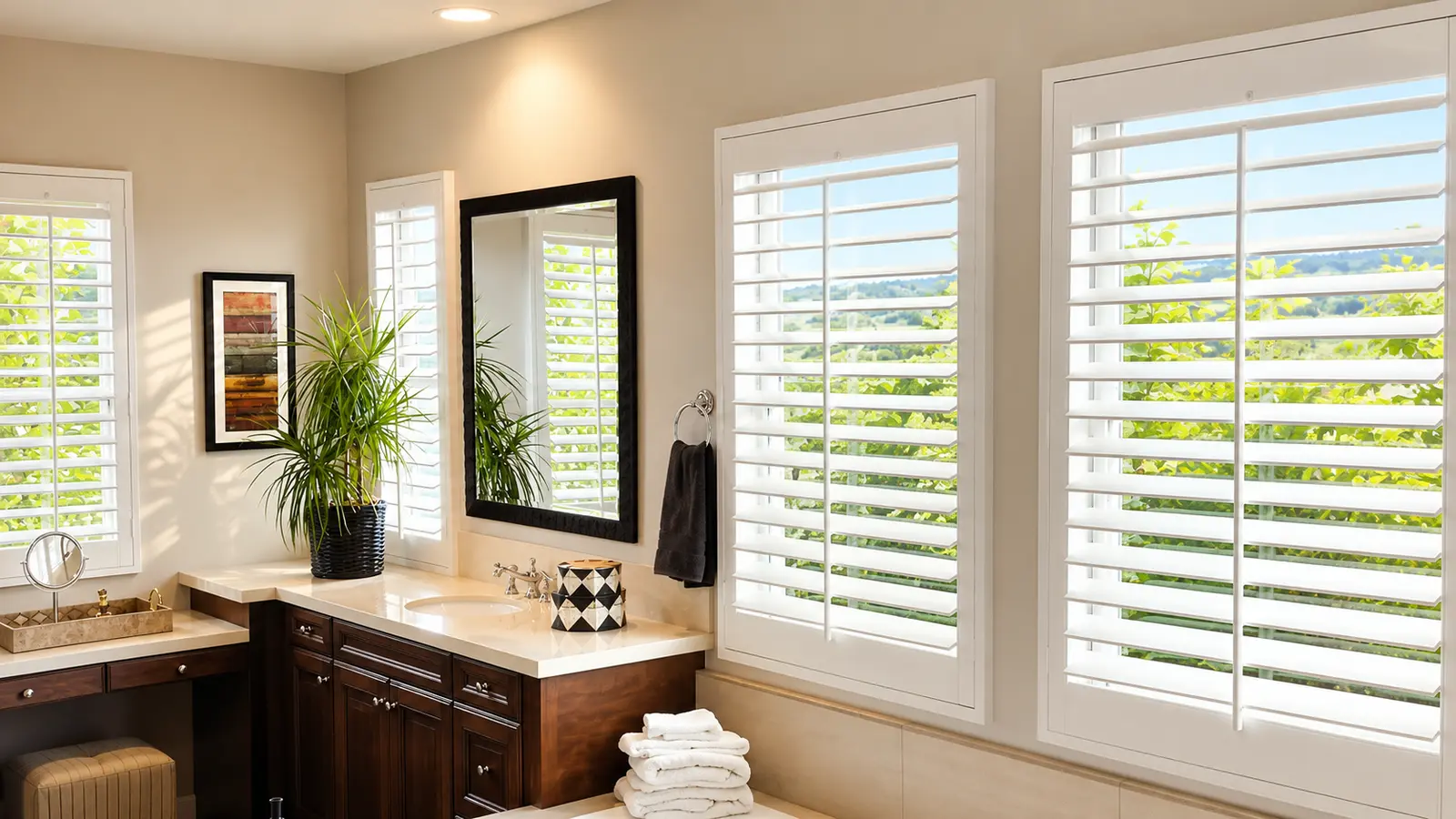
- Waterproof: poly shutters are completely waterproof, making them perfect for bathrooms, kitchens, and other high-moisture areas.
Disadvantages
- Design limitations: poly shutters generally come in fewer colors and styles than wood or composite.
- Heavier weight: they are typically heavier, which may impact installation, especially on larger windows.
Vinyl shutters
Vinyl shutters are an economical option for homeowners who want the look of shutters without the higher price tag. Made from a lightweight plastic, they are easy to install.
Advantages
- Affordability: vinyl shutters are the most budget-friendly option.
- Water resistance: vinyl is resistant to moisture, making them easy to clean and maintain.
Disadvantages
- Less authentic look: while vinyl can mimic the appearance of wood, it lacks the richness and texture of natural materials.
- Durability: vinyl shutters are less durable than wood, composite, or poly and may not last as long. Being hollow, they also have poorer structural integrity.
Which material is best for you?
The best material for your shutters depends on several factors, including your budget, the climate, and your aesthetic preferences.
- Real wood shutters: if you're seeking a timeless, elegant look and are willing to invest in maintenance, real wood is the way to go.
- Poly shutters: in high-moisture areas where durability is key, poly offers excellent performance.
- Composite shutters: a balance between poly and wood.
- Vinyl shutters: where budget is the priority.
We work with all four materials and can guide you through the selection process so the right material lands in the right room.
Ready to transform your windows? Schedule a free consultation, and we'll spec the right material for each room.