April 29, 2026
Motorized shutters vs motorized blinds vs smart shades: a 2026 comparison
By Dave Harris — Co-founder, Golden West Shutters
Home buyers in Orange County face a common challenge: they've automated their lights, thermostats, locks, and doorbells, and now want to motorize their windows. The market offers three main categories: motorized plantation shutters, motorized blinds, and smart shades. Each fits different rooms and budgets.
Where motorization actually pays off (and where it doesn't)
Before picking a motorized product, ask whether motorization is actually necessary. It makes sense for windows that are difficult to reach, sit behind furniture, get operated frequently, or are part of a home automation system. It doesn't make sense for easily accessible windows in rarely-used rooms, or when the budget is tight.
A common mistake is motorizing every window. Most homes only benefit from motorization on four to eight windows. The rest work fine on manual operation.
Motorized plantation shutters
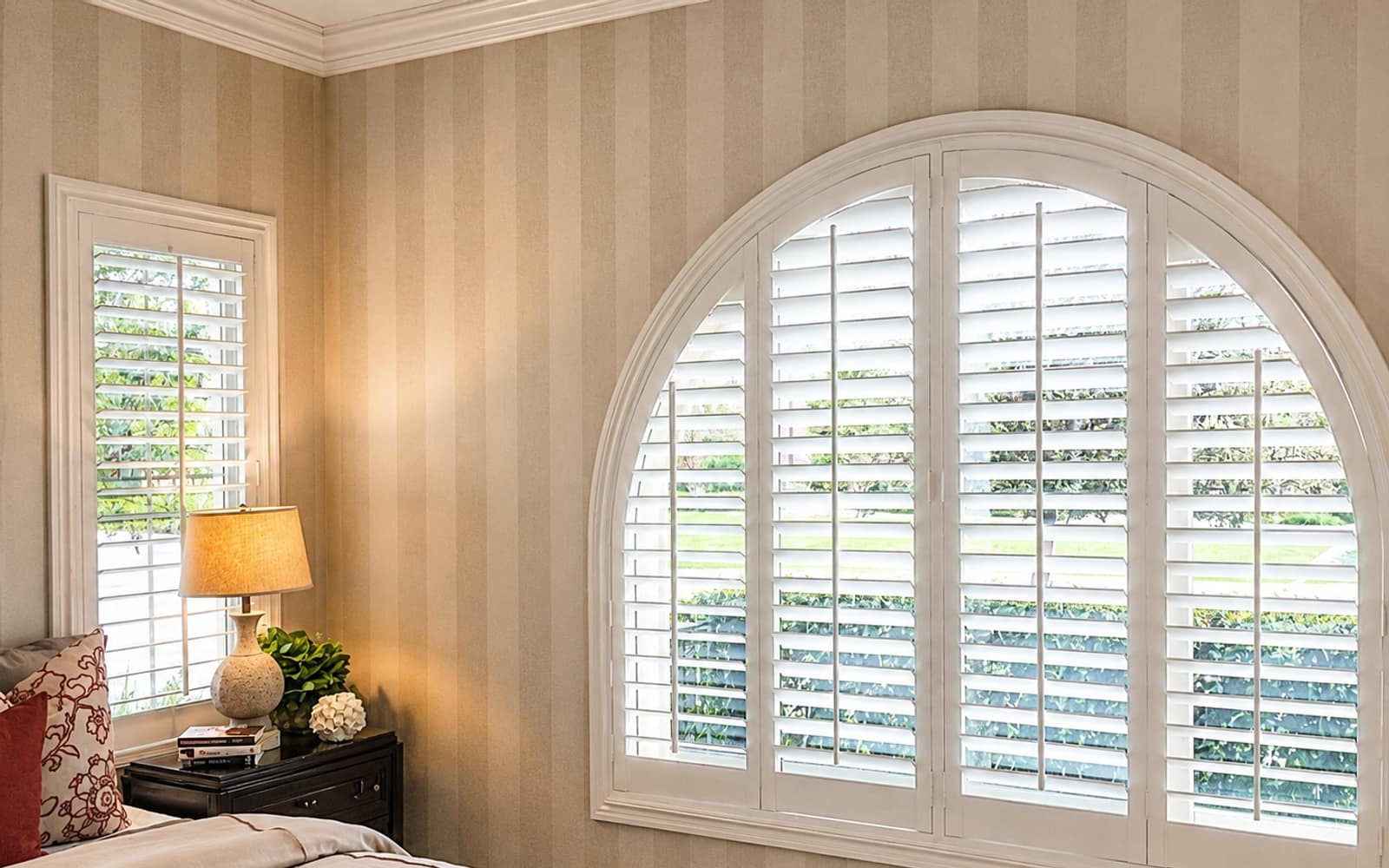
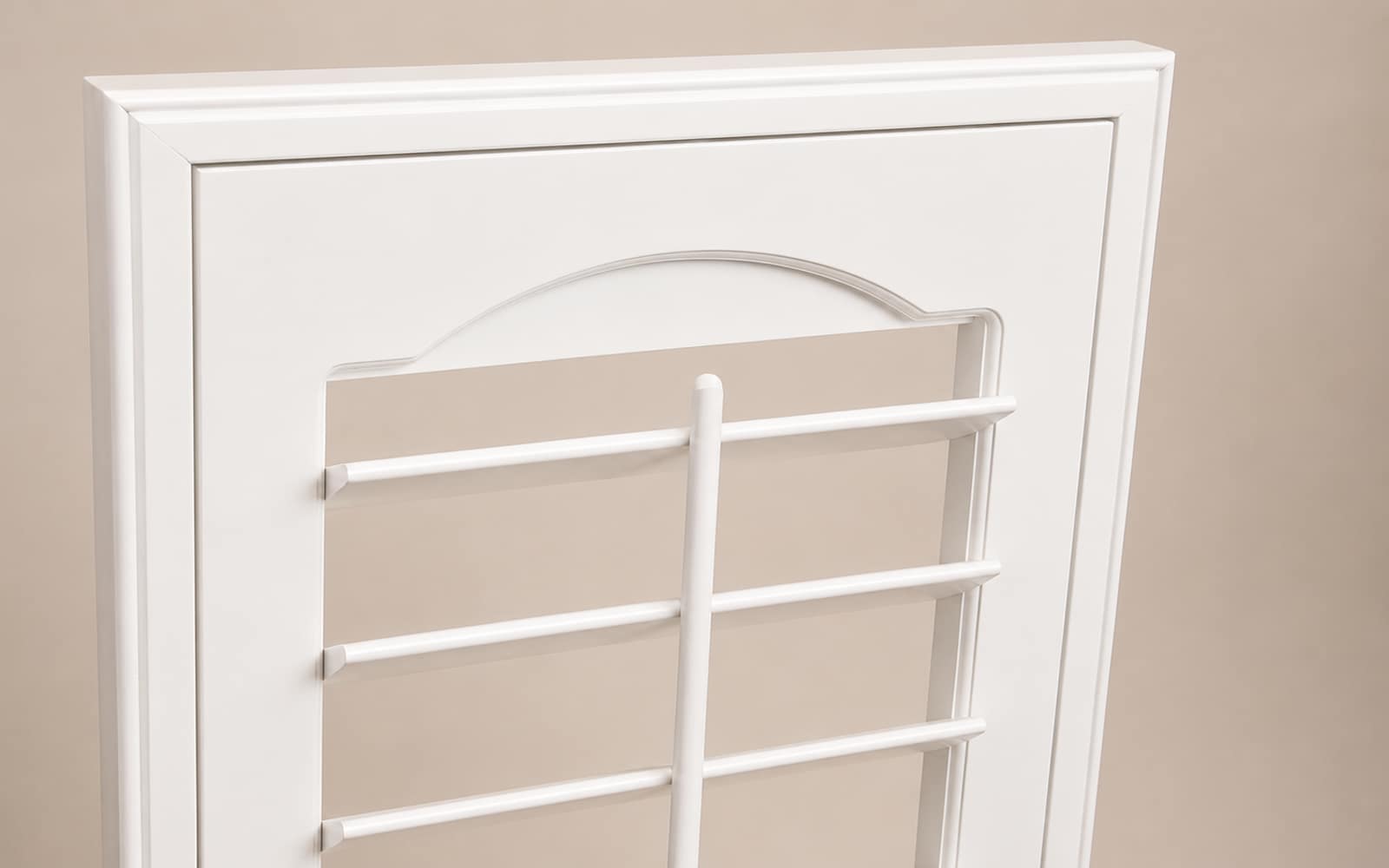
These products tilt louvers open and closed via a motor inside the rail, maintaining the aesthetic of manual shutters. The panels themselves still swing open manually if full window access is needed.
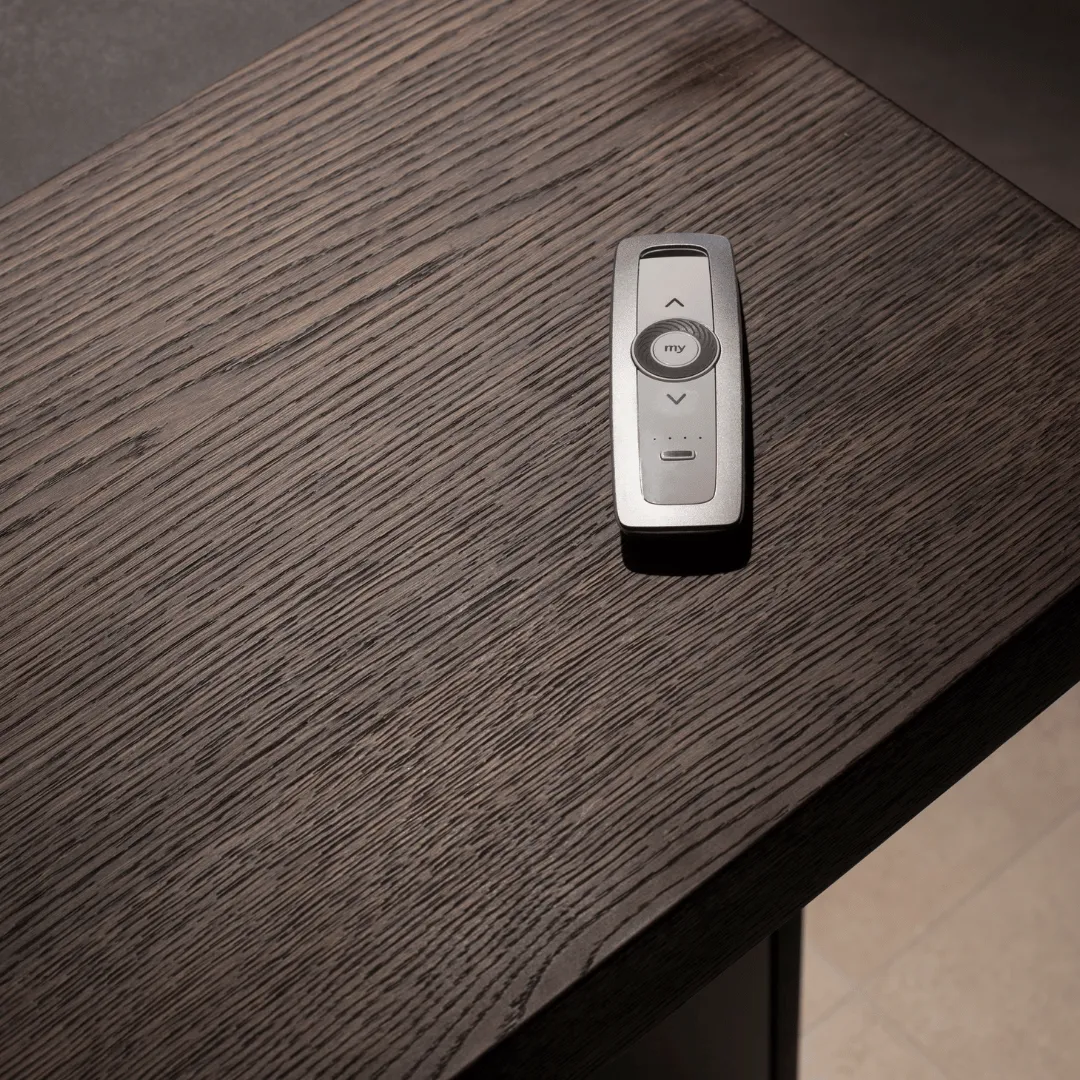
Strengths: The motorized mechanism remains invisible, with no visible motors or battery packs. From the room, you cannot tell a motorized shutter from a manual one until you press the button.
Weaknesses: The motor adjusts louvers only; panels require manual opening. Additionally, motorized shutters represent the most expensive motorized category per window due to the underlying product cost.
Smart home integration: Quality motorized shutters integrate through Lutron, Somfy, or proprietary radio frequency bridges, with common Alexa and Google Home compatibility. HomeKit support varies by manufacturer.
Motorized blinds
These products raise, lower, and tilt slats depending on the model, offering full window access and detailed light control.
Strengths: The cheapest motorized option with full window access. Of the three motorized categories, blinds are usually the lowest cost per window.
Weaknesses: Smaller motors mean lower durability ceilings. Builder-grade motorized blinds can fail in five to seven years. The aesthetic is functional rather than premium.
Smart home integration: Better models support Lutron, Somfy, and direct Wi-Fi control; cheaper options often use proprietary hubs without broader integration.
Smart shades
These products raise and lower continuous fabric panels from the window top downward, featuring no slats or louvers.
Strengths: The cleanest aesthetic among the three options, with small headrails and well-engineered motors. Shade motors typically outlast blind motors because they work less hard and the mechanics are simpler.
Weaknesses: Light control is essentially binary: open, partially open, or closed. You can't tilt fabric to redirect light the way you can with louvers. Fabric selection determines privacy; the wrong fabric is the most common regret on smart shades.
Smart home integration: This category excels here. Lutron Serena, Hunter Douglas PowerView, and Somfy all provide strong integration with HomeKit, Alexa, Google, and major hubs.
Hub and voice assistant compatibility
Compatibility is a hidden cost. Before buying, verify integration with your existing hubs (Hubitat, SmartThings, Home Assistant, HomeKit) and voice assistants (Alexa, Google, Siri). Check whether bridges are included and whether the system uses Wi-Fi or a proprietary radio network.
The boring truth is that the better motorized products use Lutron or Somfy underneath. Generic Wi-Fi products risk becoming unusable if manufacturer apps discontinue.
Power options: wired, battery, and solar
Wired power runs low-voltage cables from motors to transformers. Most reliable, but requires installation work. Ideal for new construction or major remodels.
Battery power uses rechargeable lithium batteries inside or attached to headrails. Convenient and wire-free, but requires eventual recharging of headrails. Battery life ranges from six months to two years depending on usage.
Solar power uses small solar panels mounted on the glass to recharge the batteries. Works well on south-facing windows. Less reliable on north-facing or shaded windows.
For retrofits, battery is the most practical option. For new builds and renovations, wired power is the better choice.
How to choose based on your room
Rather than selecting one category for all windows, room-by-room assessment works better:
- Bedrooms with blackout needs and high windows: smart shades with blackout fabric.
- Living rooms and family rooms requiring louver tilt: motorized plantation shutters.
- Kids' rooms, kitchens, laundry rooms, secondary bathrooms: motorized blinds.
- Mixed-use rooms: motorized shutters in primary windows, motorized blinds or shades in secondary windows.
Picking one category and applying it to every window misses the point. Mix based on actual room needs.
We offer free consultations and stock all three categories, so we recommend based on your room, not on what we have to sell.